
What Causes Water Stains on Ceilings and How Should You Fix Them?
A yellow or brown stain on your ceiling can be a sign of a leak above it. The water may come from a damaged roof, a leaking pipe, an upstairs bathroom, or condensation around an HVAC system. Even if the ceiling feels dry, moisture may still be trapped inside.
Finding the source is the first step toward fixing the problem. Covering the stain with paint will not stop a leak or protect materials that are still wet. Homeowners in Marietta, GA, should check for signs of ongoing water damage before repairing the ceiling.
What Causes Water Stains on Ceilings?
Several problems can leave water marks on a ceiling. The location of the stain and any other signs of moisture can help narrow down the cause.
1. Roof Leaks
A damaged roof is a common reason for ceiling stains, especially when marks appear after heavy rain. Missing shingles, damaged flashing, cracked roof penetrations, or worn roofing materials can let water enter the attic.
Water may travel along roof framing before reaching the ceiling. This means the stain might appear several feet away from the actual leak.
If the stain grows after rainfall or you notice damp spots near an exterior wall, have the roof checked. Avoid climbing onto a wet roof to look for damage.
2. Leaking Plumbing Pipes
Water pipes running through walls, ceilings, and upper floors can develop leaks. Loose connections, corroded pipes, and damaged fittings may allow water to seep into nearby materials.
Plumbing leaks can leave stains even when the weather is dry. You might also notice dripping water, peeling paint, a damp smell, or a stain that keeps getting larger.
If you suspect a plumbing leak, shut off the affected water supply if you can do so safely. A plumber can locate and repair the leak before the damaged ceiling is restored.
3. Bathroom Leaks Above the Ceiling
A ceiling directly below an upstairs bathroom may develop stains because of a leaking toilet seal, damaged shower enclosure, worn caulking, or faulty plumbing connections.
The stain may become more noticeable after someone takes a shower, flushes the toilet, or uses a sink. However, water can travel through building materials, so the stain’s location does not always identify the source.
Stop using the suspected fixture until the cause has been checked. Continued use may allow more water to enter the ceiling and surrounding materials.
4. HVAC Condensation
Air conditioning systems remove moisture from indoor air. If the condensate drain becomes clogged, a drain pan develops a problem, or an insulated line allows condensation to collect, water may leak around the equipment or into the ceiling.
This can happen when HVAC equipment or ductwork is located in an attic or above a finished ceiling.
Look for damp areas near air vents or around the location of the indoor unit. Have an HVAC technician inspect the system if you suspect a drainage or condensation problem.
5. Attic Condensation
Not every ceiling stain comes from a roof leak. Moist indoor air can enter a poorly ventilated or inadequately insulated attic and condense on cooler surfaces.
Repeated condensation may dampen wood, insulation, and the underside of the roof. Over time, moisture can reach ceiling materials and leave visible marks.
If stains appear during cooler weather or return despite roof repairs, an attic inspection may help identify ventilation, insulation, or moisture-control problems.

How to Tell Whether a Ceiling Water Stain Is Still Wet
A stain can remain visible long after the original leak has stopped. Its appearance alone cannot confirm whether the ceiling is dry.
Watch for these signs:
- The stain keeps growing: Water may still be entering the ceiling.
- The paint is bubbling or peeling: Moisture may be affecting the paint and the material beneath it.
- The ceiling feels soft or looks swollen: Drywall may have absorbed water and lost strength.
- There is a musty smell: Hidden damp materials may need further inspection.
- Water drips during rain or fixture use: The source may still be active.
Do not press on a sagging ceiling to test its strength. A water-damaged ceiling can collapse, particularly when drywall has absorbed a large amount of water.
What Should You Do When You Find a Water Stain?
Taking the right steps early can limit further damage.
1. Check for immediate danger. If the ceiling is bulging, sagging, or actively dripping, keep people away from the area. If water is near a light fixture, outlet, or wiring, avoid touching the fixture or nearby switches. Contact a qualified electrician when electrical hazards are possible.
2. Stop the water source if possible. Shut off the relevant water supply if you suspect a plumbing leak and can reach the shutoff safely. If rain is entering through the roof, arrange a professional roof inspection rather than climbing onto it yourself.
3. Document the damage. Take photographs and note when the stain appeared and whether it changes after rainfall or water use. This information can help with troubleshooting and insurance documentation.
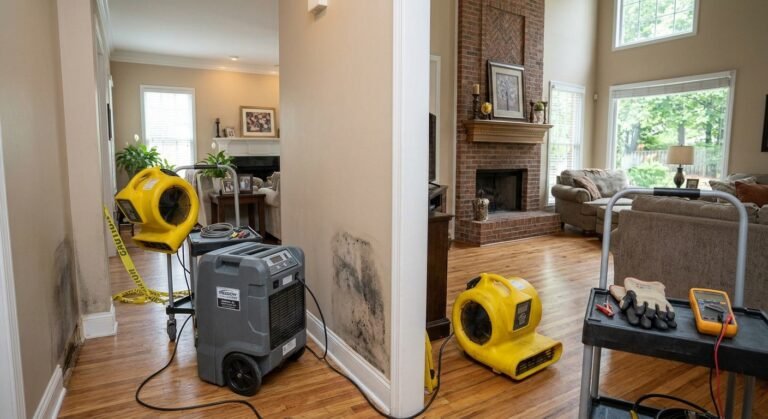
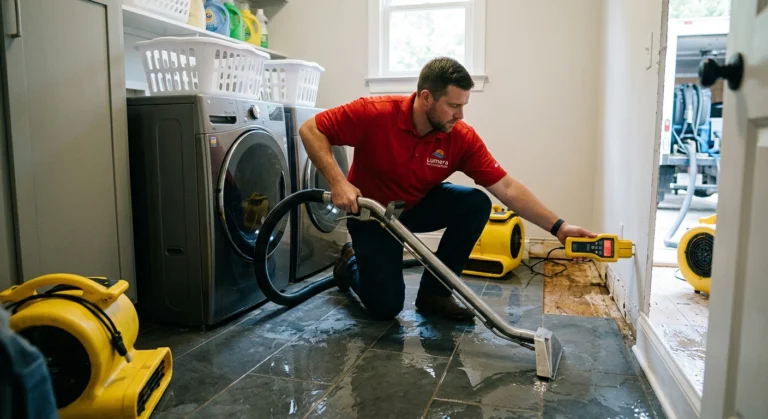
4. Check for hidden moisture. Water may spread into insulation, framing, and drywall beyond the visible stain. A water damage professional can use moisture meters and other inspection tools to check affected areas.
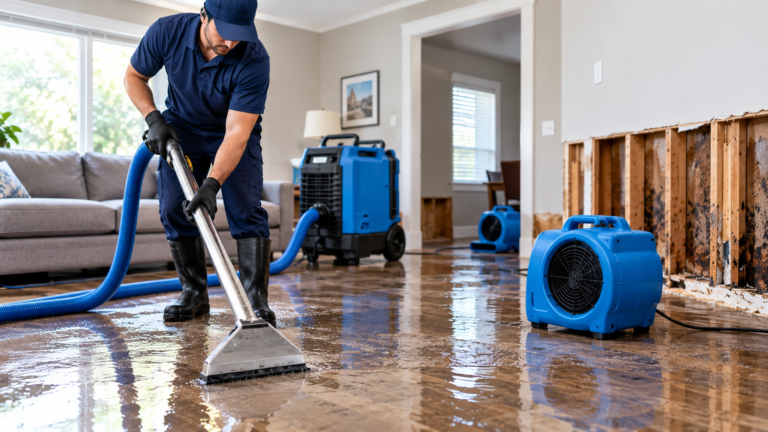
5. Arrange drying and repairs. If materials are wet, they may need professional water extraction, structural drying, cleaning, or replacement, depending on the extent and type of damage.
For significant leaks or widespread moisture, professional water damage restoration in Marietta, GA, can help identify affected materials and determine what needs to be dried or repaired.
Can You Paint Over a Water Stain?
You can repaint a ceiling once the source of the leak has been fixed and the affected materials are dry and sound. Painting over an active leak or damp drywall only hides the visible mark temporarily.
Before repainting, make sure the damaged area has been assessed. Water-damaged drywall may need replacement if it has become soft, crumbled, or otherwise lost its strength. Wet insulation may also need attention.
Once the area is dry and any necessary repairs are complete, a suitable stain-blocking primer can help prevent the old mark from bleeding through the new paint.
If the stain returns, do not keep adding paint. Have the area checked for another leak or moisture that was missed during the first repair.
When Should You Call a Water Damage Professional?
A small, old stain may need only a limited repair if the leak has been fixed and the surrounding materials are dry. Larger or recurring stains require more attention.
Consider professional help when water is actively leaking, the ceiling is sagging, drywall or insulation is wet, several rooms are affected, or a musty smell persists after the leak has been addressed.
If the water may be contaminated by sewage or another unsafe source, avoid contact with it and seek qualified assistance.
Lumera Restoration can help homeowners in Marietta understand the next steps after water damage. Depending on the situation, the work may involve water extraction, moisture checks, structural drying, or repairs to affected materials.
Get Ceiling Water Damage Checked Before Repairing It
A ceiling water stain is a warning sign, but it does not tell you exactly where the water came from or how far it has spread. The source could be a roof leak, plumbing failure, bathroom leak, or HVAC problem.
Find and fix the cause before repairing the visible damage. If the ceiling is sagging, water is still entering, or hidden moisture is suspected, arrange an inspection rather than covering the stain with paint.
For homeowners in Marietta, GA, Lumera Restoration can help assess water damage and determine which restoration steps may be needed to get the affected areas back into good condition.